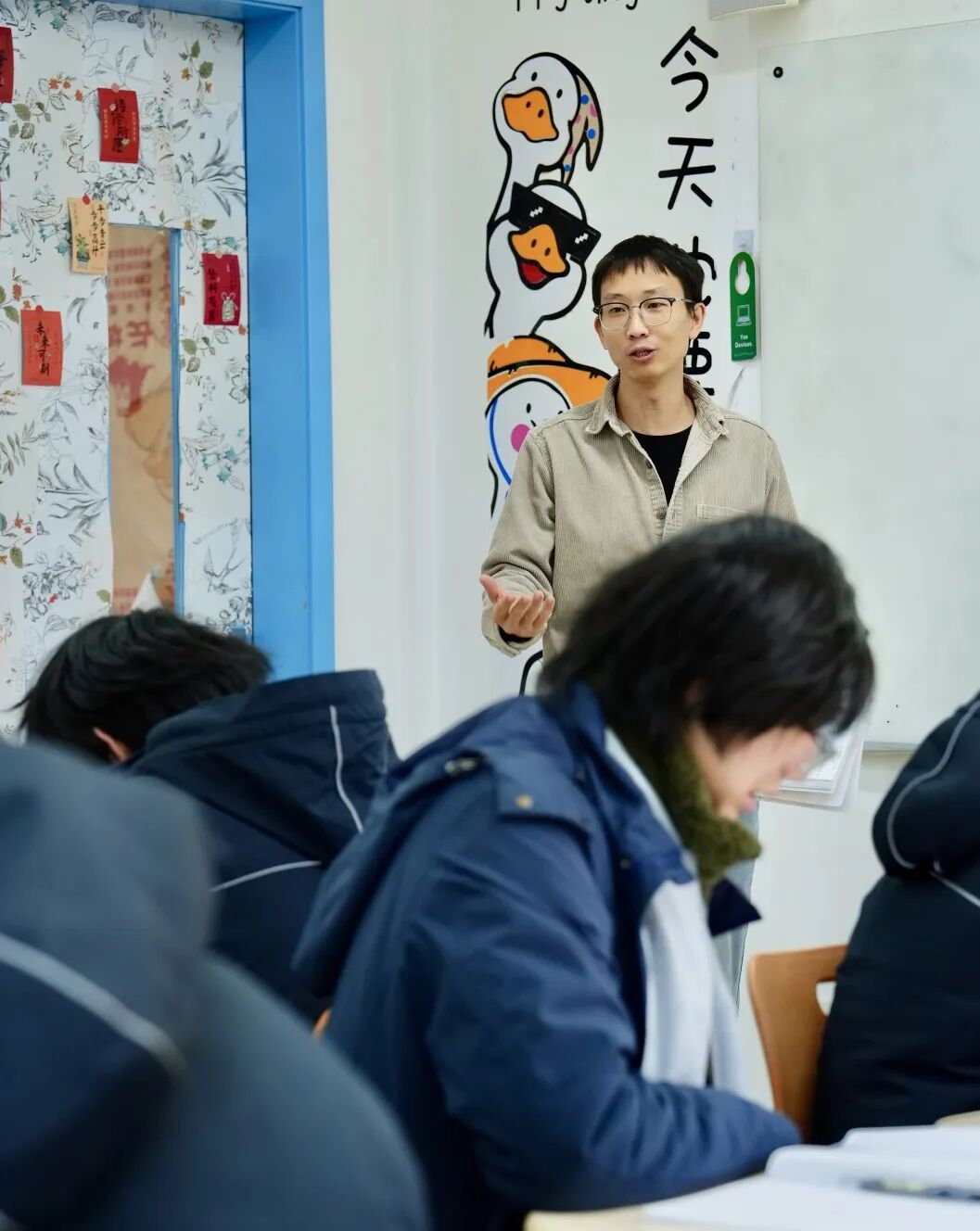
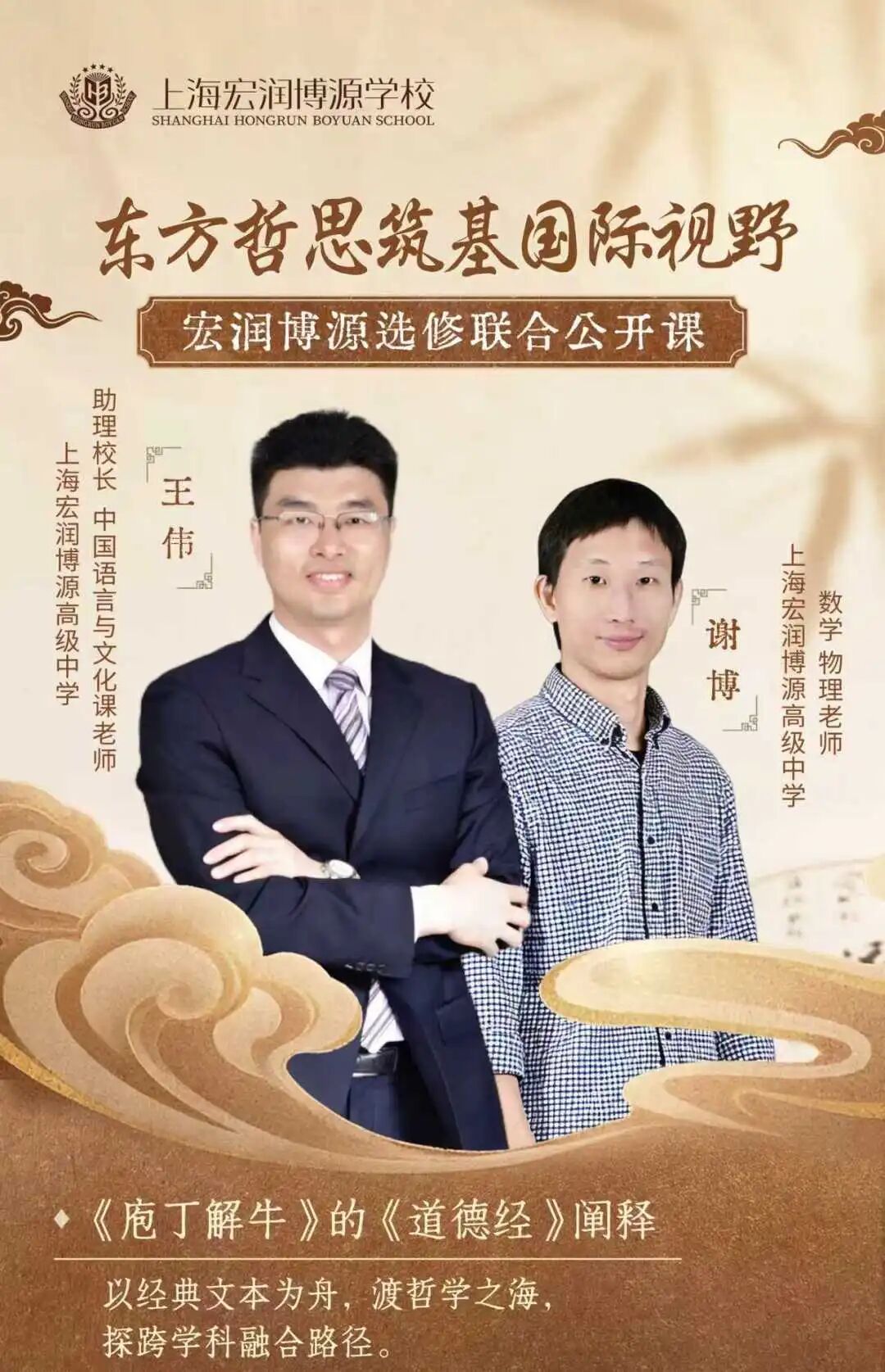
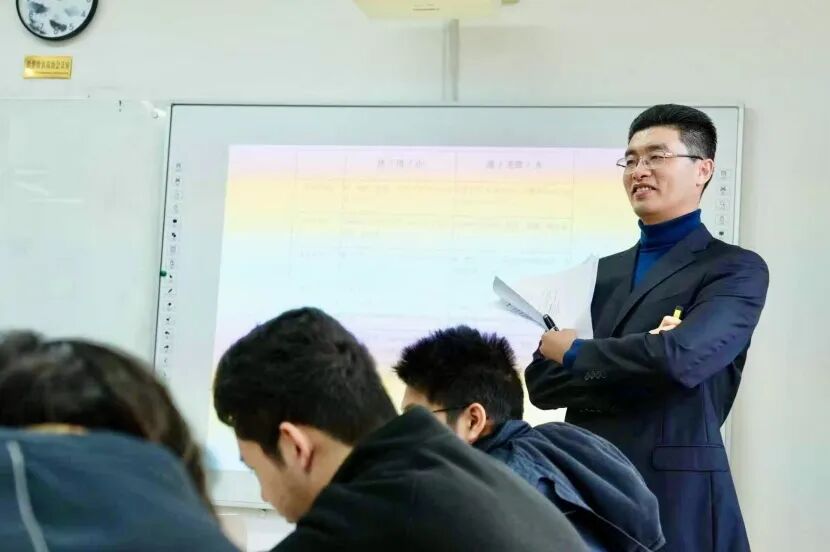
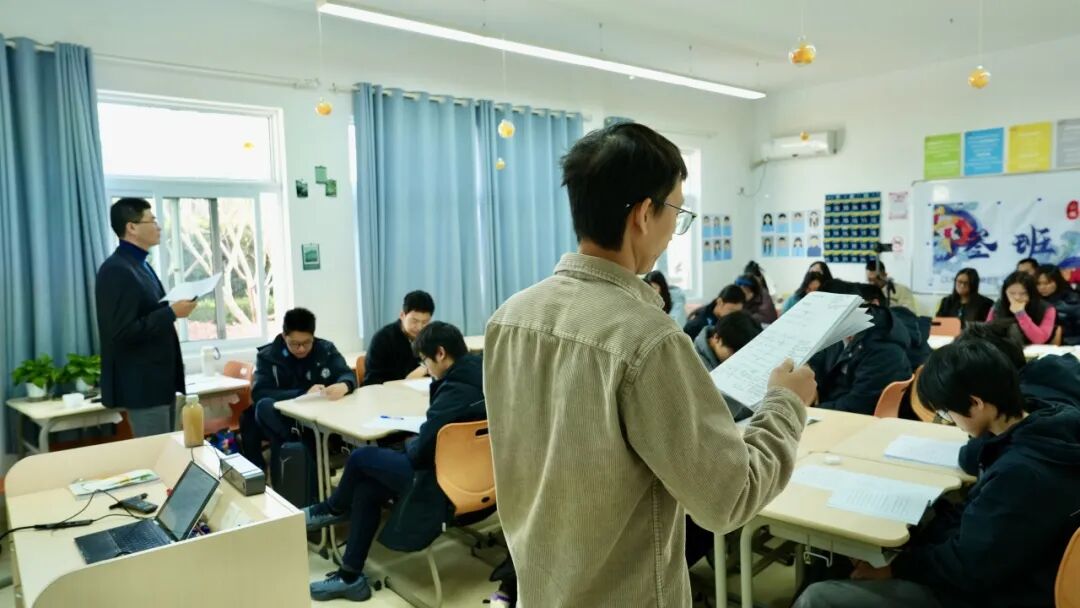
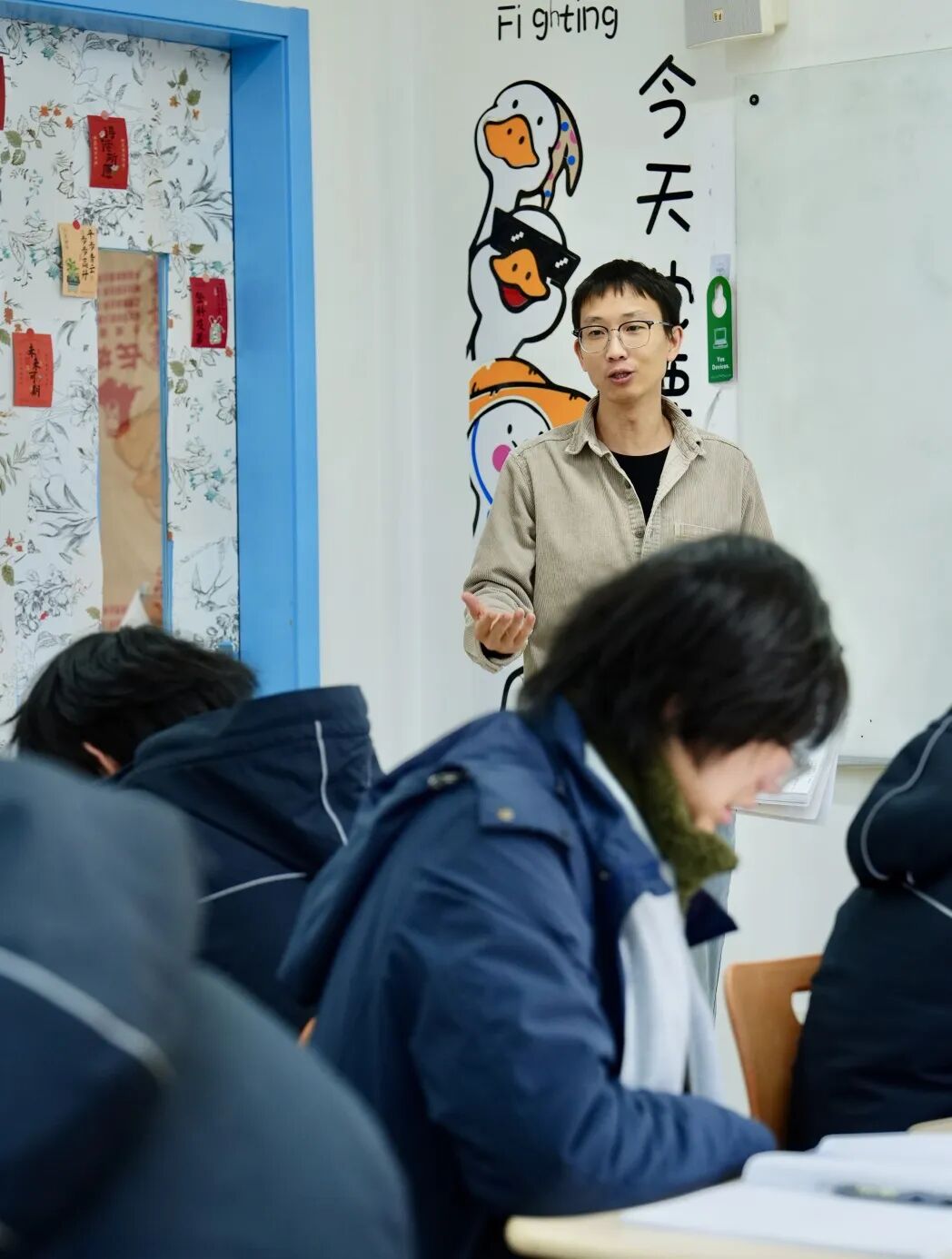
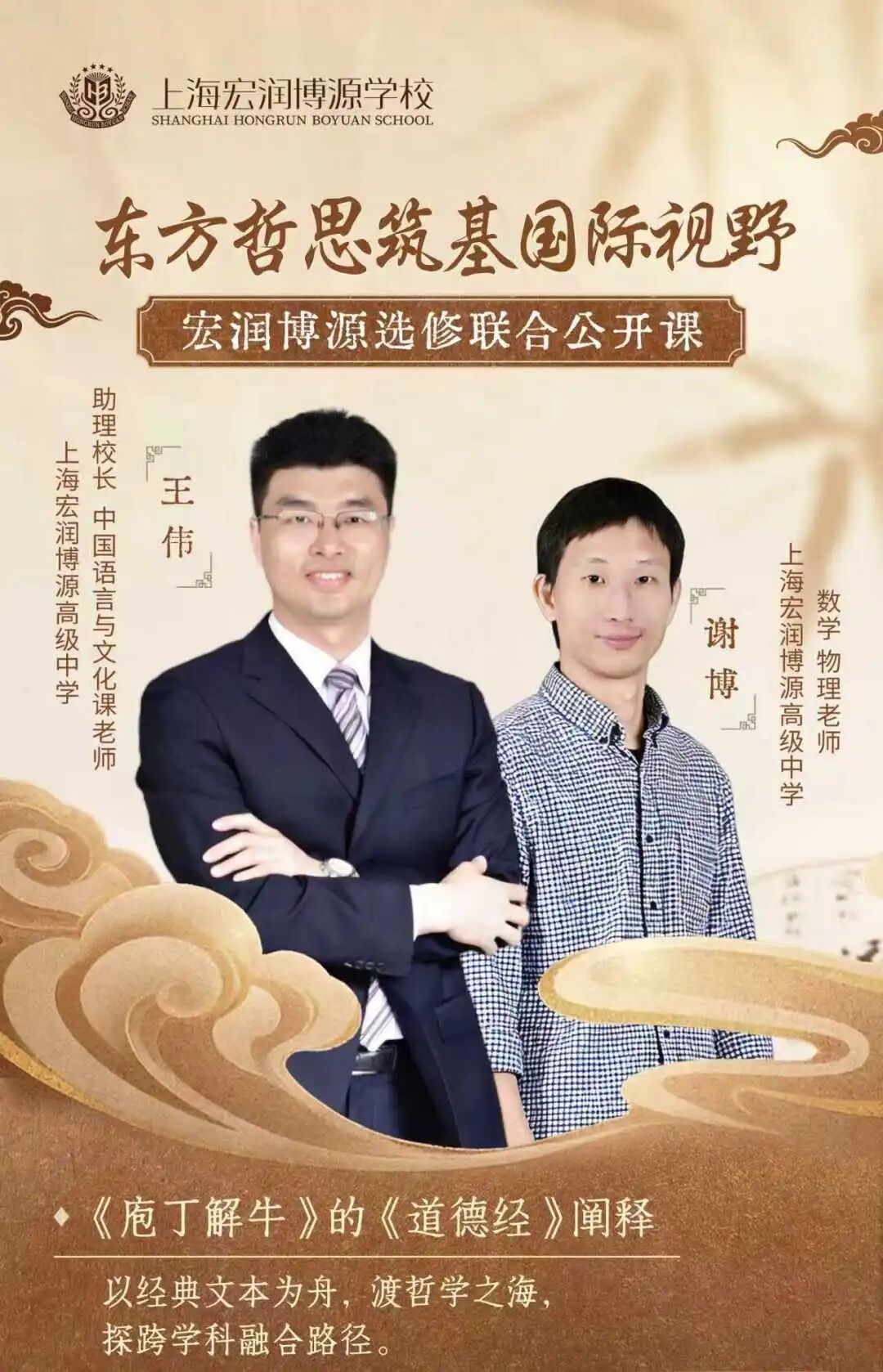
As a senior teacher deeply committed to traditional Chinese culture, Teacher Wang Wei has long built a bridge for students to explore classics through his course Chinese Philosophy. This time, joining hands with Teacher Xie Bo, he has transformed the fable of "Butcher Ding Dissecting an Ox" into a vivid model for understanding "Tao (the way) and skill". In class, instead of merely admiring the "effortless mastery" of the craft, the two teachers delved into the core of the line "What I cherish is the Tao, which goes beyond mere skill" — true masters are never confined by the accumulation of techniques, but conform to the inherent laws of things, reaching a state of ease through "following natural principles and adhering to their inherent nature". They used accessible analogies to unpack profound philosophical ideas: "Those who pursue the Tao, like Butcher Ding, make themselves a channel for natural laws; those who cling to mere skill, like reckless butchers, only rely on brute force and ultimately damage their tools", allowing students to instantly grasp the practical significance of "achieving everything through non-interference".
This philosophical journey transcends a single text, weaving together Confucianism’s "A gentleman is not a mere utensil" and Taoism’s "Attain the utmost emptiness, uphold the utmost tranquility." Combining modern teens’ growth anxieties, Teacher Xie Bo clarifies that "nurturing life" is not just physical health, but inner integrity and peace through "ceasing sensory perceptions and discarding distractions."
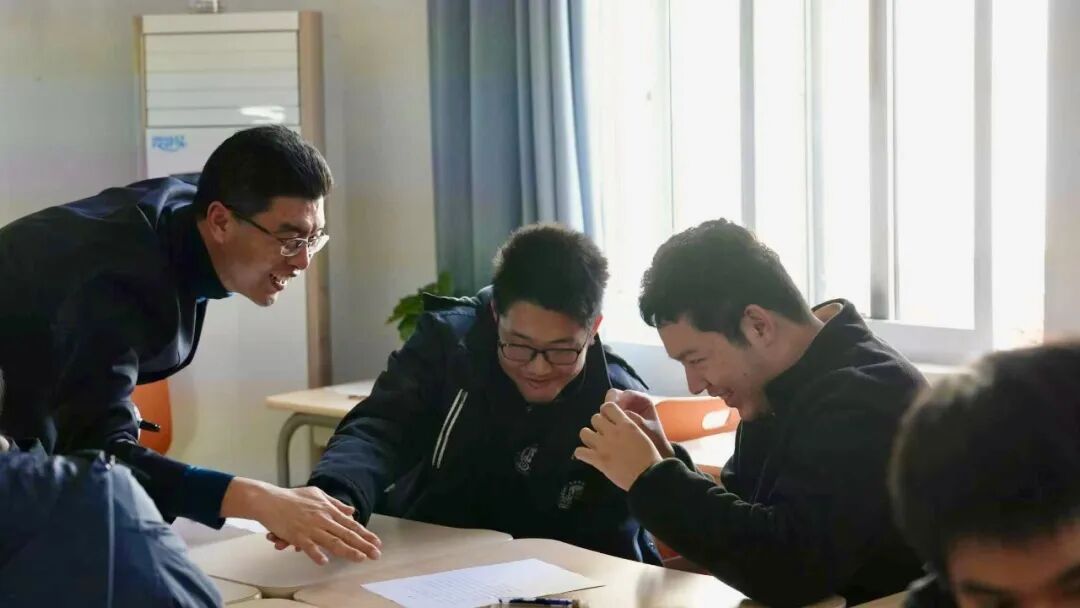
Immersive class practices ground this abstract philosophy: threading needles fosters mindfulness to experience "mental fasting"; on-site 4-7-8 diaphragmatic breathing teaches emotional regulation via physiological rhythms. As students focused on the needle and steady breathing, they felt the clarity of "When sensory knowledge ceases, the spirit moves freely" and grasped the wisdom of "Enter the gaps with that which is thin."