一口“π”,嚼出无限可能
  • 2026-03-31
  • 浏览量:6

一口“π”

嚼出无限可能


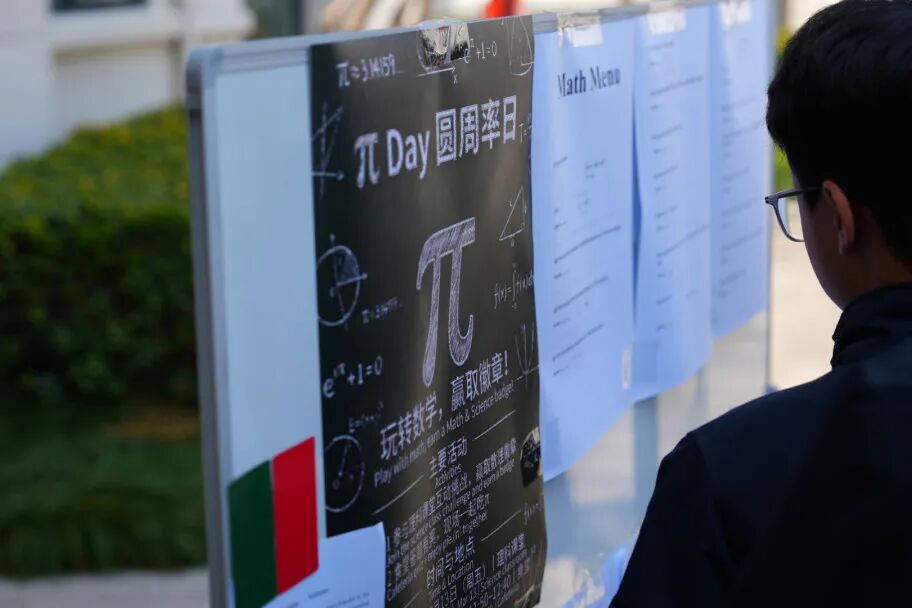
π Day 的念头,最初来自11年级的张同学。他在Stand-up Maths频道看到每年3月14日人们用各种数学挑战庆祝这个日子,便想:为什么不在宏润博源也试一试?


他把这个想法带给了顾老师。原以为只是一次闲聊,没想到顾老师认真听完,当场就开始盘算怎么落地。去年,在顾老师和理科组支持下,π Day第一次在校园里出现——学科融合的数学挑战,加上一起吃派,效果出乎意料地好。张同学自己也没想到,一个小小的视频灵感,真的能变成一个全校一起庆祝的节日。

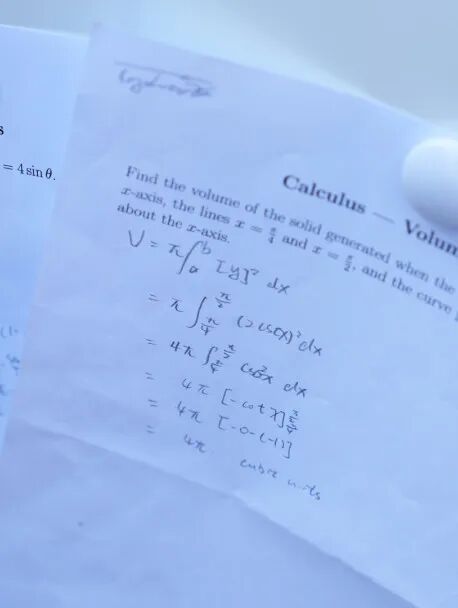
今年延续传统,张同学和顾老师又一起琢磨怎么让更多人参与进来。他们增加了对非理科生更友好的科学史题,把时间定在3月13日周五中午。张同学还亲自设计了几道颇有挑战性的数学题——那些题带着他特有的风格,既考验思路,又藏着一点小趣味。

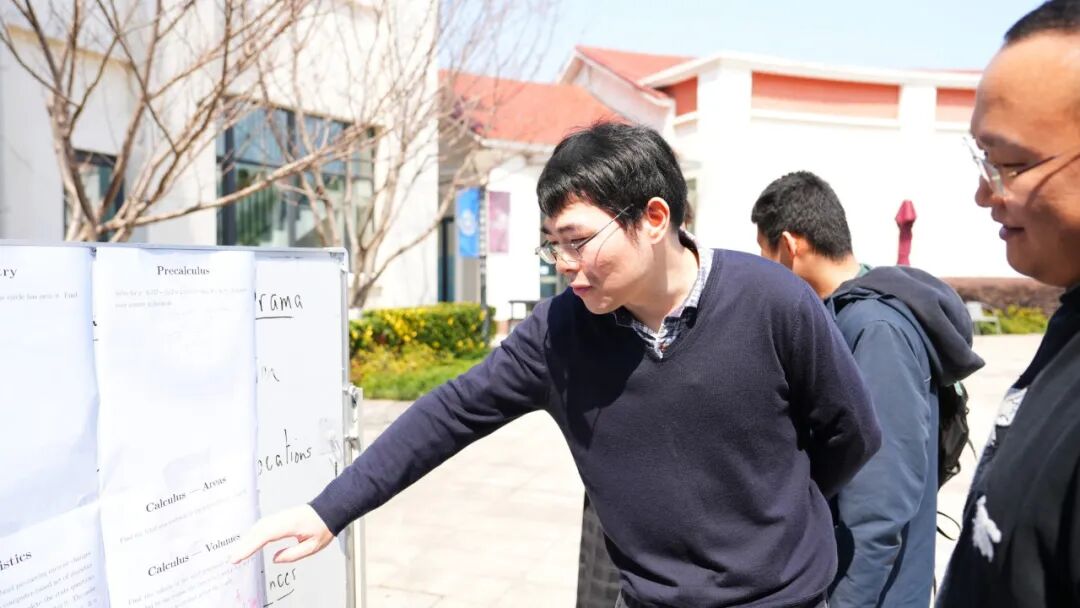
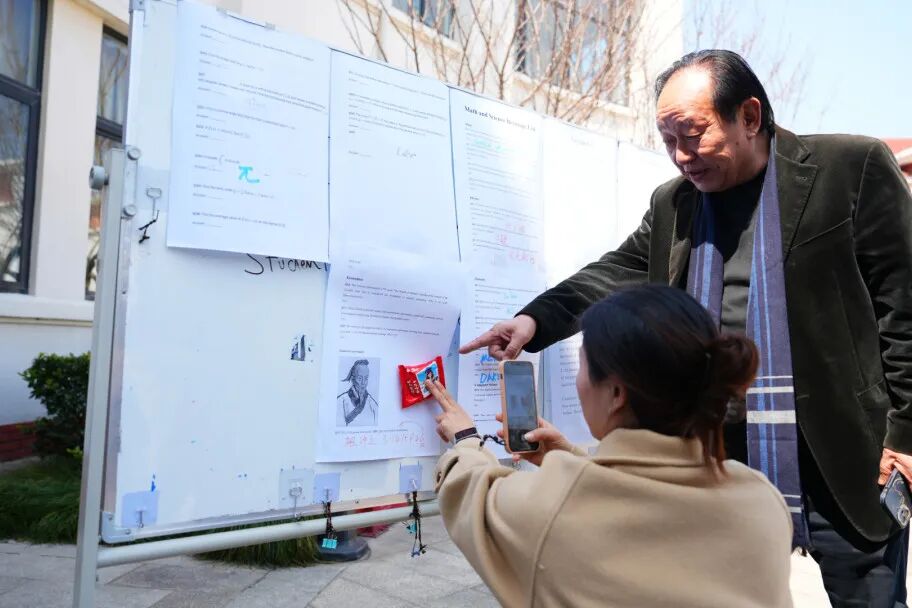
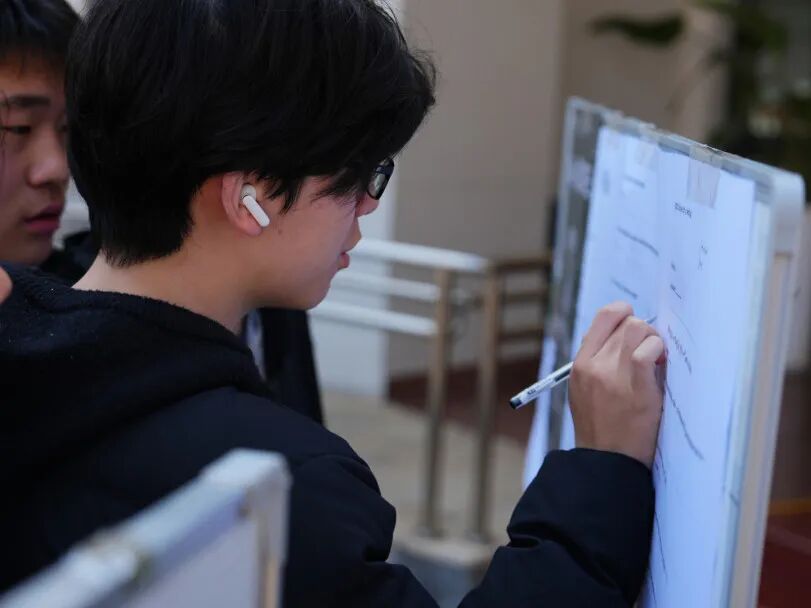
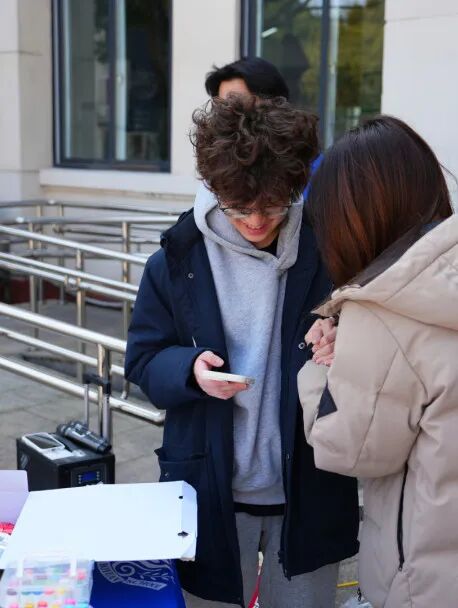
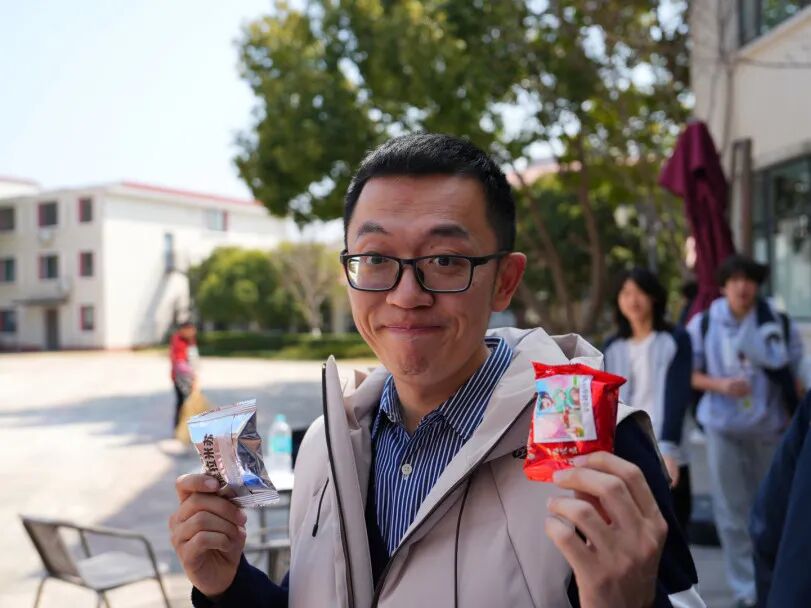
活动当天,艺术广场上人头攒动。有人凝神思考,有人热烈讨论,答对者领走一块派,也领走一份“我懂了”的快乐。张同学站在人群里,看到学弟学妹们为一道题争得面红耳赤,忽然觉得去年的那个小念头,今年真的长成了一棵树。

活动其实分了两头。一头在理科课堂上——主动举手、参与答题,就能赢得一枚纪念徽章。徽章不大,别在衣领上,却是一份“我思考了”的无声认可。另一头才是艺术广场的重头戏:数学题、科学史题轮番上场,全场时而安静,时而笑声四起,广场就这样变成了没有围墙的课堂。

这背后是老师们的一份深意,也是张同学当初想做这件事的初心。一枚徽章撬动的是主动参与的内驱力——当学生为一道题自发聚在一起讨论,学习便不再依赖铃声。而那些科学史题,更是有意为之:我们常教“是什么”,却很少讲“怎么来的”。π不只是3.1415926,它是阿基米德的逼近、祖冲之的割圆。当学生看见这些,再看π时,眼里便多了一层历史的厚度与科学的敬畏。

宏润博源讲全人教育、讲激发内驱、讲连接世界。π Day恰好把这三样揉在了一起:它考验勇气,也鼓励合作;它把知识放回艺术广场这样的日常场景里,用一点小小的激励,点燃“我想知道”的火苗;而π作为国际数学日,也让学生在这一天和全球同龄人思考同一个问题——这种连接,真实而有分量。

在一个短视频不断切割注意力的时代,一所学校愿意让学生为一个数学常数欢呼,用一块派奖励科学史知识,本身就是一种清醒的坚守。未来的竞争,说到底是对深度思考能力的竞争。一个能欣赏数学之美的学生,和一个只把它当作考点的学生,思维方式与解决问题的能力终究不同。

张同学说,学校给了他一个平台,让他可以把自己觉得有趣的东西分享给更多人。而在这个平台上,像他一样的学生还有很多——一个想法被认真对待,就会长成一件具体的事。


派分完了,广场恢复平静。但那些为一道题皱过眉、为一块派停下过脚步的学生,心里大概已悄悄种下了什么。π是无限不循环的,就像每一个学生的未来——没有既定的轨道,却有无限的可能。


3.14,一年只有一天。但思考与好奇,可以成为每一天的常态。


The idea for π Day originally came from a student, sammy. He saw on the Stand-up Maths channel that people celebrate March 14th each year with various math challenges, and he thought: why not give it a try at Hongrun Boyuan as well?


He brought this idea to Teacher Gu. What he thought would be just a casual conversation turned into something more: Teacher Gu listened carefully and immediately started figuring out how to make it happen. Last year, with the support of Teacher Gu and the science and math department, π Day appeared on campus for the first time—a cross-disciplinary math challenge, combined with everyone eating pie together. The result was unexpectedly wonderful. Siyuan himself hadn't imagined that a small idea from a video could actually turn into a school‑wide celebration.

This year, continuing the tradition, sammy and Teacher Gu worked together to find ways to involve even more people. They added science history questions that are more accessible to non‑science students, and scheduled the event for Friday noon, March 13th. Siyuan also personally designed several quite challenging math problems—these problems carry his unique style, testing one's thinking while also having a touch of fun.

On the day of the event, the Art Plaza was bustling with people. Some were deep in thought, others were engaged in lively discussions. Those who answered correctly received a slice of pie, along with the joy of "I got it." Standing in the crowd, Siyuan watched as younger students debated passionately over a problem, and suddenly felt that the small idea he had last year had truly grown into a tree this year.

The event actually took place in two parts. One part was in the science and math classrooms—students who raised their hands and participated in answering questions could earn a commemorative pin. Though small, pinned on a collar, it served as a quiet recognition of "I engaged my mind." The other part was the main event at the Art Plaza: math problems and science history questions took turns captivating the audience. The atmosphere alternated between moments of focused silence and bursts of laughter, turning the plaza into a classroom without walls.

Behind all this lies a deep intention from the teachers, as well as the original aspiration that drove sammy to start it all. A small pin sparks the inner motivation to actively participate—when students naturally gather around a problem to discuss it, learning no longer depends on the ringing of a bell. And the science history questions were deliberately included: we often teach "what" something is, but rarely talk about "how it came to be." Pi is not just 3.1415926; it is Archimedes' approximation, Zu Chongzhi'smethod of calculating pi. When students see this, they look at pi with a new layer of historical depth and scientific reverence.

Hongrun Boyuan speaks of holistic education, of igniting intrinsic motivation, and of connecting with the world. π Day brings these three elements together: it tests courage and encourages collaboration; it places knowledge in everyday settings like the Art Plaza, using a small incentive to kindle the spark of "I want to know." And as International Day of Mathematics, π Day also allows students to engage with the same question as their peers around the world—a connection that is both genuine and meaningful.

In an era where short videos constantly fragment attention, a school that is willing to let students cheer for a mathematical constant, and reward knowledge of science history with a slice of pie, is itself a conscious commitment to what matters. The competition of the future, ultimately, is a competition in the ability to think deeply. A student who can appreciate the beauty of mathematics and one who treats it merely as a test point—their ways of thinking and their ability to solve problems are fundamentally different.

sammy said that the school gave him a platform where he could share what he found interesting with more people. And on this platform, there are many students like him—when an idea is taken seriously, it grows into something tangible.

The pie was all handed out, and the plaza returned to its usual calm. But for those students who furrowed their brows over a problem, or paused for a slice of pie, something has likely been quietly planted in their hearts. Pi is non‑repeating and never‑ending, just like every student's future—there is no predetermined path, yet there are infinite possibilities.

March 14th comes only once a year. But thinking and curiosity can become a part of every day.

文案:Liuliu

排版: Yutong

校对:Violet

审核:Sophia


上海宏润博源学校