从“躺平”到逆袭,一所国际学校如何用“分层教育” 点燃学生内驱力
  • 2026-03-31
  • 浏览量:4


SHBS

Interview


从“躺平”到逆袭


一所国际学校如何用“分层教育”

点燃学生内驱力


“孩子到了宏润博源,像换了一个人。”

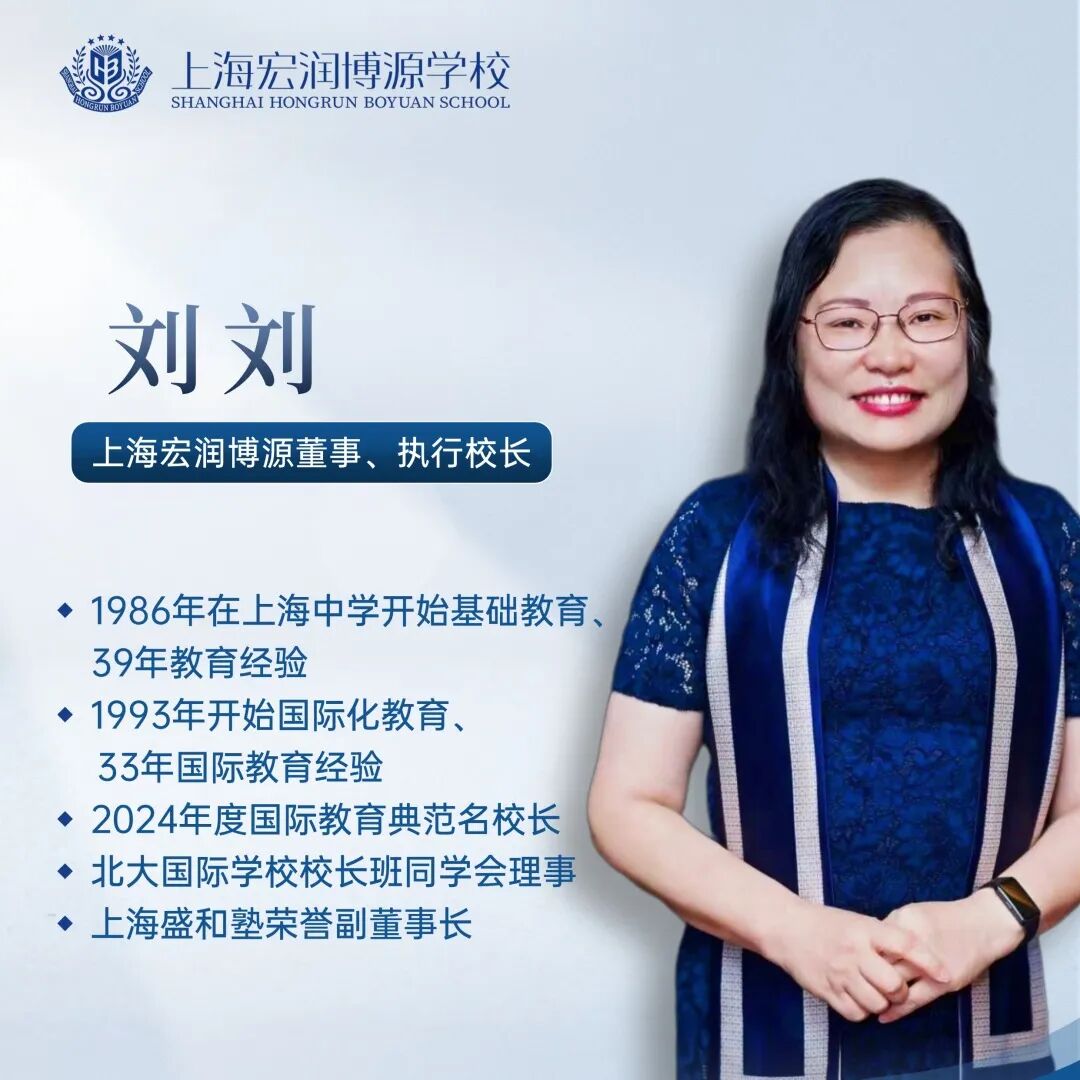
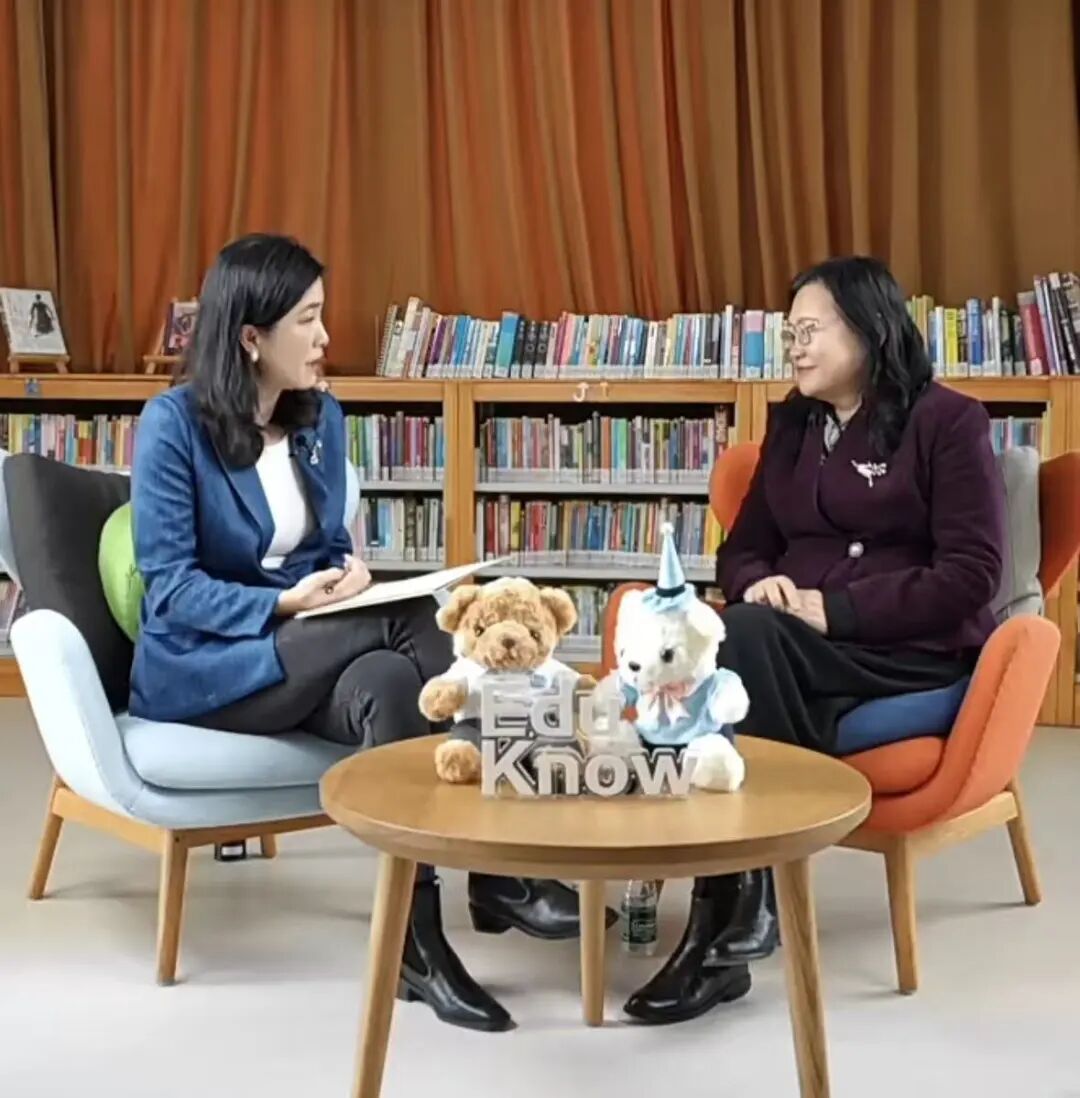
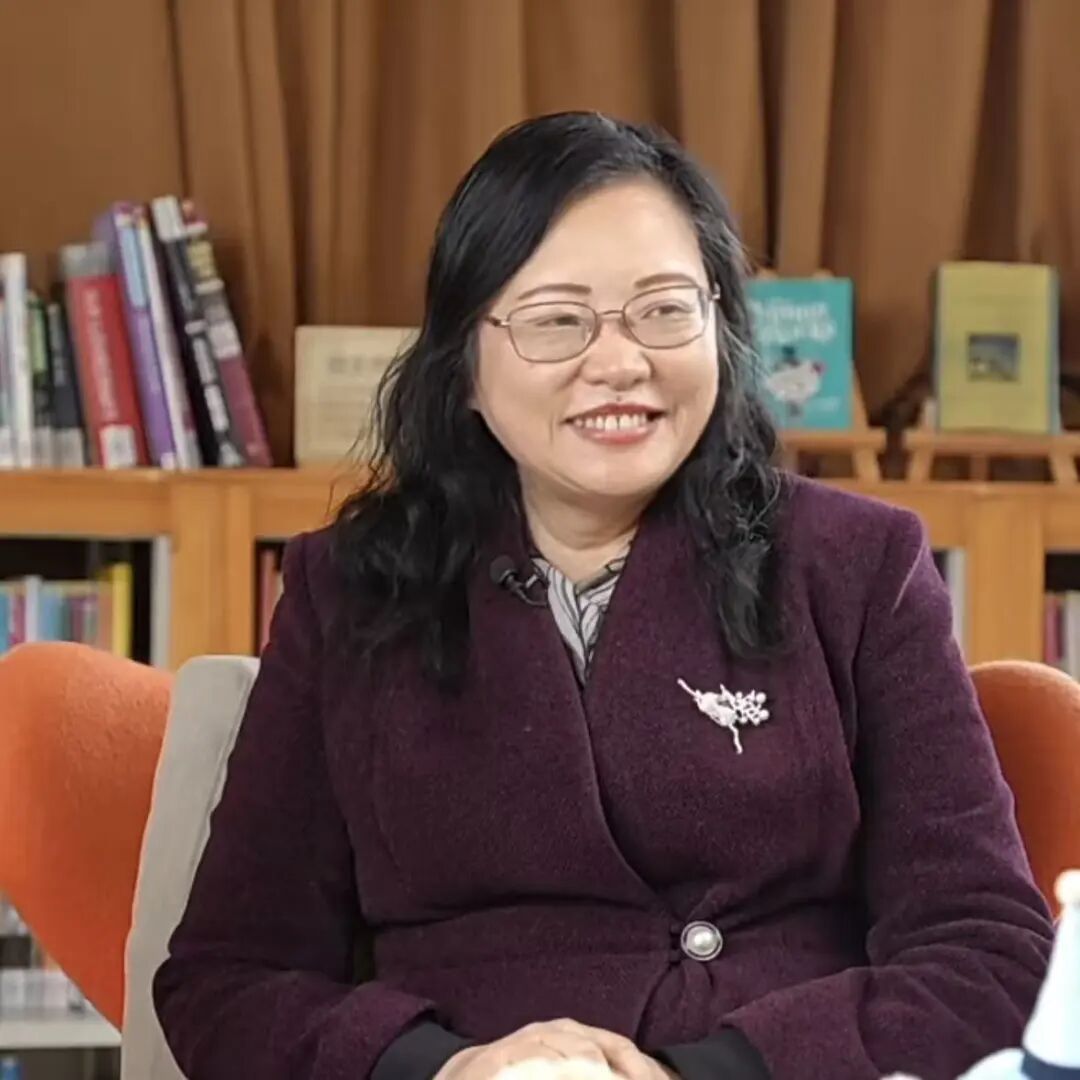
这是许多家长的真实反馈。在这所上海的国际学校里,成绩平平的学生凭借综合能力逆袭藤校、沉迷游戏的少年考入顶尖游戏设计专业、体制内“躺平”的孩子找到自己的热爱,重燃学习热情……上海宏润博源执行校长刘刘与「留学全知道」创始人Jane的对话,揭开了教育创新的核心密码:

不执着于 “卷成绩”,而是以分层教学与个性发展,唤醒每个孩子的内驱力。


发展个性特长是关键:

以热爱为引,激活孩子内驱力


Q:刘校长您好!很多家长一边拼工作给孩子选择权,一边又愧疚缺席陪伴,面对孩子成绩平平、沉迷游戏更是无措,我们宏润博源是怎么帮这些家庭的?

@ Liu Liu

A:家长们的无奈我特别理解,没人能 “既要又要”。我们是专业教育者,人家把家里最大的宝贝交给我们,这份信任就是责任,帮孩子找到成长方向,也是我们的福报。


Q:学校为什么能培养出这么多 “黑马”?

中考不理想、GPA 刚及格的孩子也能逆袭?

@ Liu Liu

A:单纯 “内卷” 进步有限!名校更青睐有独特热爱、综合能力强的学生,每个孩子内心都想向上,我们做的就是培育土壤——不压制兴趣,反而把它变成内驱力。


疫情时我们有个学生是上海“最年轻团长”,托福 113 分、仅 4 门 AP,没考 SAT/ACT,却凭着独特经历拿到哥大、达特茅斯的offer;还有个在体制内选择 “躺平” 的孩子,平日里爱钓鱼,学校便允许他带鱼缸进校园,还支持他创办社团。如今他赴美留学,不仅实现了顺利衔接,还斩获了个性化奖项。


分层走班精准赋能:

关注每一个学生的差异化发展


Q:家长最头疼孩子沉迷游戏,我们有什么好办法?

@ Liu Liu

A:堵不如疏!第一届有个学生痴迷游戏,我们就支持他办社团,还请行业大咖来讲课,在这个过程中他发觉 “游戏能当终身事业”,最后选了游戏专业排名第三的院校,早早经济独立。

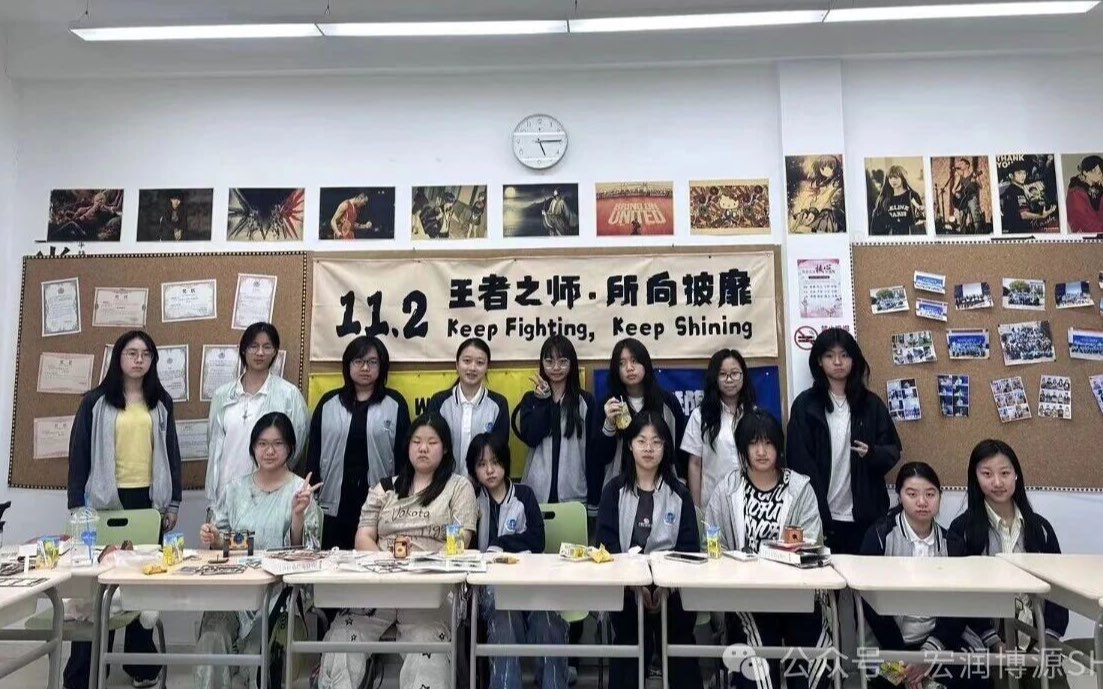
还有个孩子入学前不吃不喝的打游戏,来校后我们引导他参与骑行社、做同伴补习,现在他排队吃饭都在看《实践论》,期中逆袭成年级第一,直言 “哪有时间打游戏!”


家校同心同行:

为何宏润博源能与家长紧密相依?


Q:1:4 的师生比也太 “奢侈” 了,具体怎么关注每个孩子?

@ Liu Liu

A:我们坚持 300 人左右的小学校规模,老师能认识每一个孩子。核心是分层走班,打破年级壁垒,九年级英语好的能跟十一年级上课,数学弱的也能去适配班级,不用硬跟跑;课程分 3 个梯度,4 分、4.4 分、4.8 分,让孩子能 “跳一跳够得着”。还有 50 门选修课,5 人就能开班,学生提需求我们还能新增课程,曾就有学生单独由外方校长亲自教授 AP 美国历史课程。


Q:手机管理是住宿校家长的痛点,我们的约束模式很特别?

@ Liu Liu

A:我特别得意这套方案!不没收手机,就放孩子口袋里,要让他们知道 “手机是好东西,关键要会用”。上课、晚自习、夜间禁用,违规分梯度罚义工 + 存保险柜,周四收周五必还,供通勤;GPA3.5 以上的学生有专属自习教室,能自主用手机查资料。

教育不是 “警察抓小偷”,我们要做孩子的同行者。


Q:19.5 万 / 年的学费,能享受到这么好的办学配置,为何定价这般实在?

@ Liu Liu

A:依托上市公司宏润集团的投资支持,加之陈文国总校长秉持非盈利的办学初心,我们一心想打造一所 “有口碑、有温度” 的理想学校,把每一分钱都花在孩子培养和优秀师资打造上,以实在的定价,提供高配的教育。


给家长的终极建议:

转轨的核心是找对适配的成长环境


Q


Q:最后想给考虑转轨的家长什么建议?


@ Liu Liu

A:转轨不是成绩不好的退路!成绩好的学生也可能被现有环境束缚,成绩不好只是雪球 “换环境” 的信号。转轨的核心是找适配的教育,让孩子身心健康地面对未来,这才是成长的关键。


Q


Q:难怪家长们都说 “孩子到宏润博源像换了个人”,学校既是学生的同行者,也是家长的同行者!


@ Liu Liu

A:我们从没想过跟家长 “斗智斗勇”,只是用初心和用心做事,孩子变好就是最好的回报。


当内驱力被真正激活,孩子会主动奔赴成长。在合适的成长环境下,一路的陪伴与引导,终将化作他们前行的底气。从此教育不再是两难的拉扯,而是一场双向奔赴的温暖同行,让宏润的孩子们在热爱里向阳生长,在成长中遇见更好的自己。


SHBS

Interview


From "Coasting Through" to Making a Comeback


How an International School Ignites Students' Inner Drive with Tiered Education


After joining Hongrun Boyuan, the child seems like a completely different person.

That's the genuine feedback from many parents. At this Shanghai international school, average students have fought their way into Ivy League universities on the strength of their all-round abilities; teenagers once addicted to video games have gained admission to top game design programs; and children who had disengaged in the traditional education system have rediscovered their passions and reignited their enthusiasm for learning... A conversation between Liu Liu, Executive Principal of Shanghai Hongrun Boyuan School, and Jane, Founder of "All About Study Abroad", reveals the core of their educational innovation: moving beyond a fixation on grades, they employ tiered teaching and personalized development to awaken the inner drive in every child.


Developing Personal Strengths is the Key:

Guided by Passion, 

Igniting Children’s Intrinsic Motivation


Q: Hello, Principal Liu! Many parents work tirelessly to provide their children with more choices, yet feel guilty about missing out on companionship. They’re even more helpless when their children have average grades or are addicted to games. How does Hongrun Boyuan help such families?

@ Liu Liu

A: I truly understand parents’ predicament—no one can have it all. As professional educators, we take seriously the trust of parents who entrust us with their most precious treasures. Guiding children to find their growth direction is not only our responsibility but also our blessing.


Q: Why is the school able to cultivate so many "dark horses"? Even students with unsatisfactory high school entrance exam results or barely passing GPAs can achieve a remarkable turnaround? 

@ Liu Liu

A: Over-competitiveness alone has limited returns in personal development! Prestigious universities prefer students who possess unique passions and well-rounded capabilities. Deep down, every child aspires to grow, and what we do is nurture the soil for their growth—rather than suppressing their interests, we help transform them into inner drive.

During the pandemic, one of our students became Shanghai’s "youngest community organizer." With a TOEFL score of 113, only 4 AP courses, and no SAT/ACT scores, he secured offers from Columbia and Dartmouth thanks to his distinctive experience. Another student, who had chosen to “lie flat” within the traditional education system, loved fishing in his free time. The school allowed him to bring a fish tank to campus and supported him in starting a club. Now, he is studying abroad in the U.S., not only adapting seamlessly but also earning personalized awards.



Tiered Teaching, Targeted Empowerment: 

Focusing on Every Student's Unique Growth


Q: Parents are most troubled by their children's gaming addiction—what effective solutions do you have? 

@ Liu Liu

In our first cohort, there was a student obsessed with gaming. Instead of discouraging him, we supported him in starting a club and invited industry experts to give lectures. Through this process, he realized that “gaming could be a lifelong career” and eventually enrolled in a university ranked third in game design, achieving financial independence early on.

Another student used to game nonstop, even skipping meals before joining our school. After enrollment, we guided him to join a cycling club and participate in peer tutoring. Now, he reads On Practice while waiting in line for meals and has made a remarkable comeback, ranking first in his grade midterm. He even remarked, “Who has time for gaming now!”


Home-School Synergy:

Why Can Hongrun Boyuan Maintain 

Such a Close Bond with Parents?


Q: A student-teacher ratio of 1:4 is truly "luxurious"—how exactly do you pay close attention to each individual student?

@ Liu Liu

A: We maintain a small-school model with around 300 students, allowing teachers to know every child personally. The core of our approach lies in flexible, ability-based class grouping that breaks grade-level barriers—a ninth grader with strong English skills may attend classes with eleventh graders, while a student struggling in math can join a level-appropriate class instead of being pushed to keep up. Courses are structured into three tiers of difficulty, corresponding to GPA scales of 4.0, 4.4, and 4.8, designed to challenge students at a level that is "within reach with effort." We also offer around 50 elective courses, which can be launched with as few as five students, and we actively respond to student requests to introduce new subjects—for example, we once arranged for a student to receive one-on-one AP U.S. History instruction directly from our international principal.


Q: Mobile phone management is a common concern for parents of boarding school students. Does your approach to regulation have unique features?

@ Liu Liu

A: I take particular pride in this approach! We don't confiscate phones—students keep them in their pockets. The goal is to help them understand that "phones are useful tools when used appropriately." Usage is prohibited during class, evening study hours, and at night. Violations result in tiered community service penalties, and phones are stored in a safe, collected on Thursdays and returned every Friday for weekend commuting use. Students with a GPA of 3.5 or above have access to dedicated study rooms where they may use their phones independently for research.

Education isn't about "cops and robbers"—we strive to be companions on our students' journeys.


Q: Why is the annual tuition of 195,000 RMB priced so reasonably, given the high-quality educational resources provided?

@ Liu Liu

A: Backed by the investment support of Hongrun Group, a publicly listed company, and guided by Principal Chen Wenguo's nonprofit-driven educational philosophy, we are committed to building an ideal school known for its "strong reputation and warm ethos." Every resource is dedicated to nurturing students and attracting outstanding faculty. Through reasonable pricing, we aim to deliver a high-quality educational experience.


Ultimate Advice for Parents: The key to a successful transition is finding the right growth environment for your child's needs.

Q


Q: Final advice for parents considering an educational transition:


@ Liu Liu

A: Transitioning is not an escape route for poor academic performance! Even high-achieving students can feel constrained by their current environment, while academic struggles may simply signal the need for a "change of scenery." At its core, transitioning is about finding the right educational fit—one that enables children to face the future with both mental and physical well-being. This is the true key to growth.


Q


Q: No wonder parents often say, "My child is like a whole new person after coming to Hongrun Boyuan!" The school is not only a companion to students but also to parents!


@ Liu Liu

A: We never intended to play cat-and-mouse with parents. We just act with original aspiration and sincere care for the children, and their progress is our greatest reward.


When intrinsic motivation is genuinely ignited, children will proactively strive for growth. In a suitable nurturing environment, continuous companionship and guidance will ultimately transform into the confidence that fuels their journey forward. From then on, education ceases to be a dilemma of conflicting pulls but becomes a warm, two-way partnership of mutual commitment. This allows Hongrun’s children to thrive with passion under the sun, and through growth, to encounter the best versions of themselves.


文 案:Yutong

排 版:Freya  

校 对:Freya  

审 核:Sophia


上海宏润博源学校